Posts

Reproductive system

Image
  The reproductive system is a group of organs and glands in the body that work together to facilitate reproduction. Males' reproductive organs include the testes, epididymis, vas deferens, and penis. Females' organs include the ovaries, fallopian tubes, uterus, and vagina. The male reproductive system's major role is to make and deliver sperm, whereas the female reproductive system is in charge of generating eggs, providing a proper environment for fertilization and fetal development, and giving birth. The reproductive system of humans consist of: Primary sex organs (gonads) which produce gametes and hormones Secondary sex organs which participate in reproduction Accessory sex organs that causes differences in the appearance of the two sexes Ovaries and testes are the primary reproductive organs, sometimes known as the gonads. These organs produce eggs, sperm cells, and hormones. These hormones help to mature the reproductive system, develop sexual traits, and ...

Excretory System

Image
  Excretion is the process by which metabolic waste products are removed (completely or partially) from an animal's body. It differs from egestion, which is the removal of undigested food materials from the body. Nitrogenous wastes (such as ammonia, urea, and uric acid) are the most major metabolic waste produced by mammals. These wastes are formed during the breakdown of amino acids and nucleic acids and are extremely hazardous to the cellular environment. The nature of nitrogen-containing wastes (ammonia, urea, and uric acid) and their excretion differs between species, depending on the availability of water. Ammonia is the most toxic type and requires a substantial amount of water to be eliminated, whereas uric acid, which is the least harmful, may be removed with minimal water loss. The human excretory system is made up of two kidneys, two ureters, one urine bladder, and a urethra. The kidney is a urine-producing organ. A renal artery supplies blood to each kidney, ...

Respiratory System

Image
  During aerobic respiration, organisms use oxygen to oxidize respiratory substrates such as glucose, releasing energy for various activities. Catabolic processes also result in the release of carbon dioxide. As a result, oxygen must be continuously delivered to the cells, and the carbon dioxide created by the cells must be expelled. Respiration is the process of gaseous exchange in which cells absorb oxygen from the atmosphere and release carbon dioxide. The process of respiration involves the following processes: Pulmonary ventilation or breathing - Exchange of air between the atmosphere and the alveoli of the lungs. Pulmonary (External) respiration - Exchange of oxygen & carbon dioxide between air in the alveoli and the blood within the capillaries. Thee blood transports oxygen and carbon dioxide between the lungs and tissues. Internal respiration - Exchange of oxygen and carbon dioxide between the tissue cells and the blood. Respiratory organs The respiratory sy...

Cardiovascular System

Image
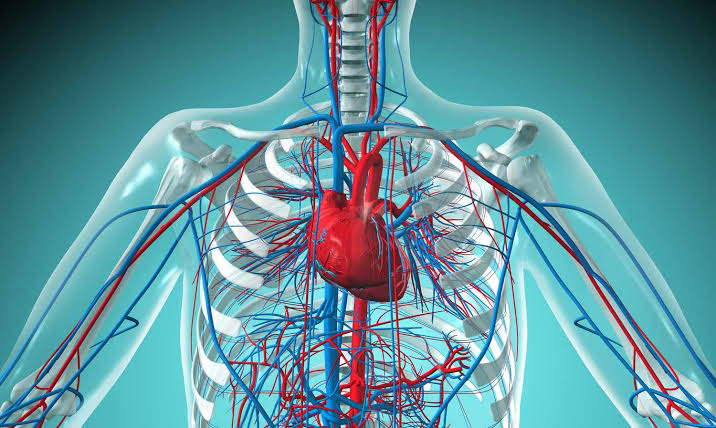
  In all multicellular organisms, living cells require nourishment, oxygen, and other important chemicals. Furthermore, waste or dangerous chemicals must be eliminated on a constant basis to ensure that tissues work properly. It is consequently necessary to have efficient pathways for transporting these chemicals to and from the cells. The cardiovascular system transports gasses, nutrition, hormones, and cellular waste throughout the body. It comprises mostly of three interconnected components: blood, the heart, and blood vessels. Blood Blood is a connective tissue made up of blood plasma and other components. Blood is somewhat alkaline, with pH ranging from 7.3 to 7.4. It makes up 20-30% of extracellular fluid, accounting for 8% of total body mass. Blood serves the following vital functions: Transportation of gases like oxygen and carbon oxide, nutrients, hormones, heat and wastes. Regulation of pH, body temperature, and water content of cells Protection ag...

Stress Management by changing our mindset

Image
  Stress is an energy that we may use to create, alter, and progress. Stress, in its beneficial form, acts as a stimulant for development and resilience. It's known as Hormesis. Cells and organisms respond adaptively to moderate stress. On the other hand, chronic stress is the fundamental cause of many diseases, with inflammation accounting for 99% of all diseases and being influenced by hormone imbalance. Chronic stress can appear in a variety of ways, including the loss of a loved one, chronic disease, feelings of guilt, heartache, trauma, mental abuse, and many more. Managing chronic stress is critical since it can harm both physical and mental health. Prolonged stress can cause a wide range of health problems, including high blood pressure, heart disease, obesity, and depression. It can impair the immune system, making people more prone to sickness. Chronic stress can have an impact on sleep patterns, emotions, and general quality of life. So, we should learn to man...